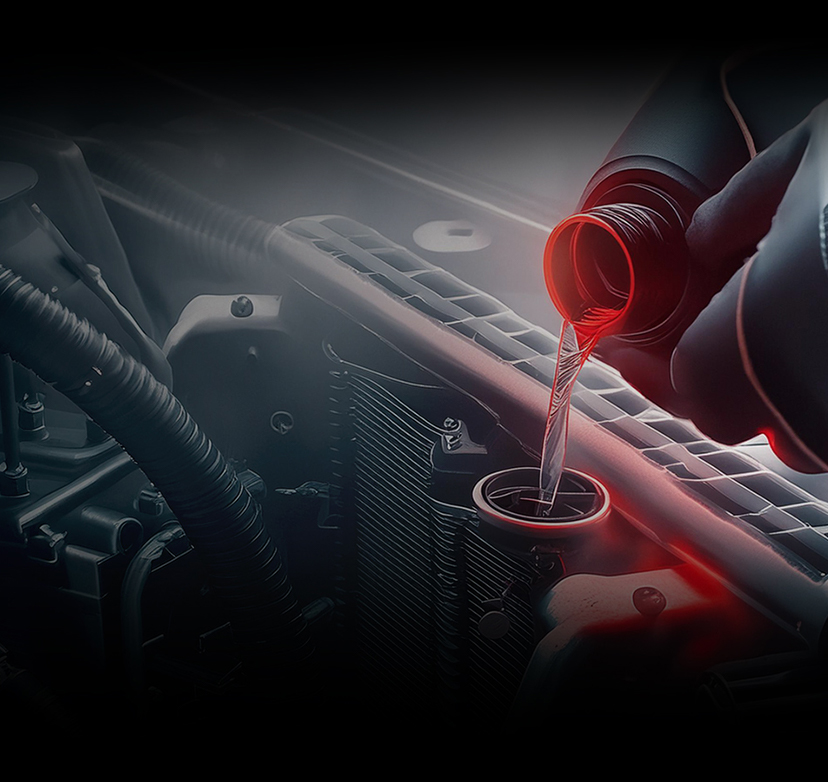



The Expert’s Guide to Timely Radiator Fluid Changes!
Hey there, road warriors, car enthusiasts, and everyday commuters!
We're diving under the hood today to unravel the mysteries of your car’s circulatory system—the radiator fluid.
This isn't your run-of-the-mill car maintenance talk. It's the heart-to-heart every vehicle wishes it could have with its owner. Let’s talk about that often-overlooked elixir of engine life: radiator fluid.
When is it time to change radiator fluids? Does the color say it?
The Power Under Your Hood
You've probably heard the whispers and rumors about when to change your radiator fluid.
Some say it's an age thing, others swear by mileage, and then there's the good old visual check—the color test. But what's the real scoop?
Buckle up, because we're getting into the nitty-gritty of keeping your engine's temperature just right.
First things first, what’s radiator fluid got to do with your beloved ride?
Imagine a hot summer day, the kind where the pavement seems to sizzle. Your engine feels that heat, too, and without a trusty coolant—our hero, the radiator fluid—it would be like working a double shift in a sauna.
No bueno. The fluid does the heavy lifting, carrying away the heat and keeping everything at an even keel.
It prevents the drama of overheating and the tragedy of a frozen engine block when Jack Frost comes knocking.
Now, onto the big question: When do you give your car that fresh dose of radiator fluid? If you're looking for a universal timeline, you might be a tad disappointed.
Every car is its own beast, with a manual that spells out when and how. But, let's be real, how many of us have that manual handy, or, better yet, have actually read it cover to cover? That's what I thought.
The Ideal Time To Change Your Radiator Fluid: Mileage Vs. Time
Here's a rule of thumb that’s easy to remember: every 30,000 miles or every 5 years, whichever comes first, is a decent interval for most cars.
But hey, if you love to push your metal to the metal, or if your ride has more years on it than the TV show 'Friends,' you might want to check in more often.
The Color Code: Decoding What Your Radiator Fluid Is Telling You
Let's talk—or rather, let's talk color. If your radiator fluid looks like it could belong in a psychedelic painting—vibrant, unnatural colors like bright green, red, or orange—that's usually a good sign.
These Alice in Wonderland hues are by design, my friend. They tell you that the anti-corrosive properties are still kicking, fighting off rust and scale like miniature superheroes.
The Dark Side: When Radiator Fluid Goes Bad
But if the liquid running through your engine starts to look more like a muddy river after a storm, we've got trouble.
Dark, murky colors are a sign that the fluid's been working overtime and it's clocked out. That's your engine’s way of whispering, "Hey buddy, I need a spa day."
The Chemical Check-Up Beyond The Color Test
Don’t just rely on the color, though. A fluid can be clear but still be chemically exhausted. Dropping by your local garage for a quick test can reveal a lot. They've got the tools to check if the anti-corrosive talisman's power is still strong or if it's time for a change.
The Ripple Effect: Why Fresh Radiator Fluid Matters
Changing the fluid isn't just about keeping the engine cool; it's about respect—respect for the intricate metal heart that powers your daily adventures. Fresh fluid keeps the water pump lubricated, ensures seals stay sealed, and makes sure the is antifreeze radiator fluid turned into a mineral exhibit.
Diy Or Professional Care: The Radiator Fluid Change Dilemma
And what about that DIY spirit? Can you change the radiator fluid yourself? Absolutely, if you've got the guts, the glory, and a bit of know-how. It’s not just about popping the hood and pouring in liquid gold. There's a process: draining the old, flushing the system, and then—and only then—introducing the new fluid.
But hey, if you're not into the whole 'I changed my own radiator cleaner fluid' badge of honor, no judgment here. Your local mechanic is more than happy to oblige. They'll give your car the VIP treatment, and you can drive away knowing you've given your engine the gift of longevity.
https://atlanticlubes.com/prod....uct-category/coolant